
Our Approach
Instruction designed around the scholar in front of us
Every element of a cohort day exists for one purpose: to move each scholar forward from where they actually are, with skill, rigor, and care.
Individualized Learning
Assessment first, then instruction that fits
We begin by finding out what a scholar knows and what remains unfinished. Groupings are flexible and skill-based, and they change as scholars grow.
- Initial academic assessment
- Flexible, skill-based grouping
- Intervention where gaps exist
- Acceleration where readiness exists
- Ongoing progress monitoring
Literacy
Explicit, foundational reading instruction
Reading is taught directly and systematically — not left to discovery. Writing is developed alongside it.
Where targeted intervention is needed, we draw on research-based approaches, including SIPPS-style support where appropriate. We select resources to fit the scholar rather than committing every child to one fixed literacy curriculum.
- Phonics and decoding
- Reading fluency
- Comprehension and discussion
- Writing and language development
- Targeted reading intervention
Mathematics
Conceptual understanding and real fluency
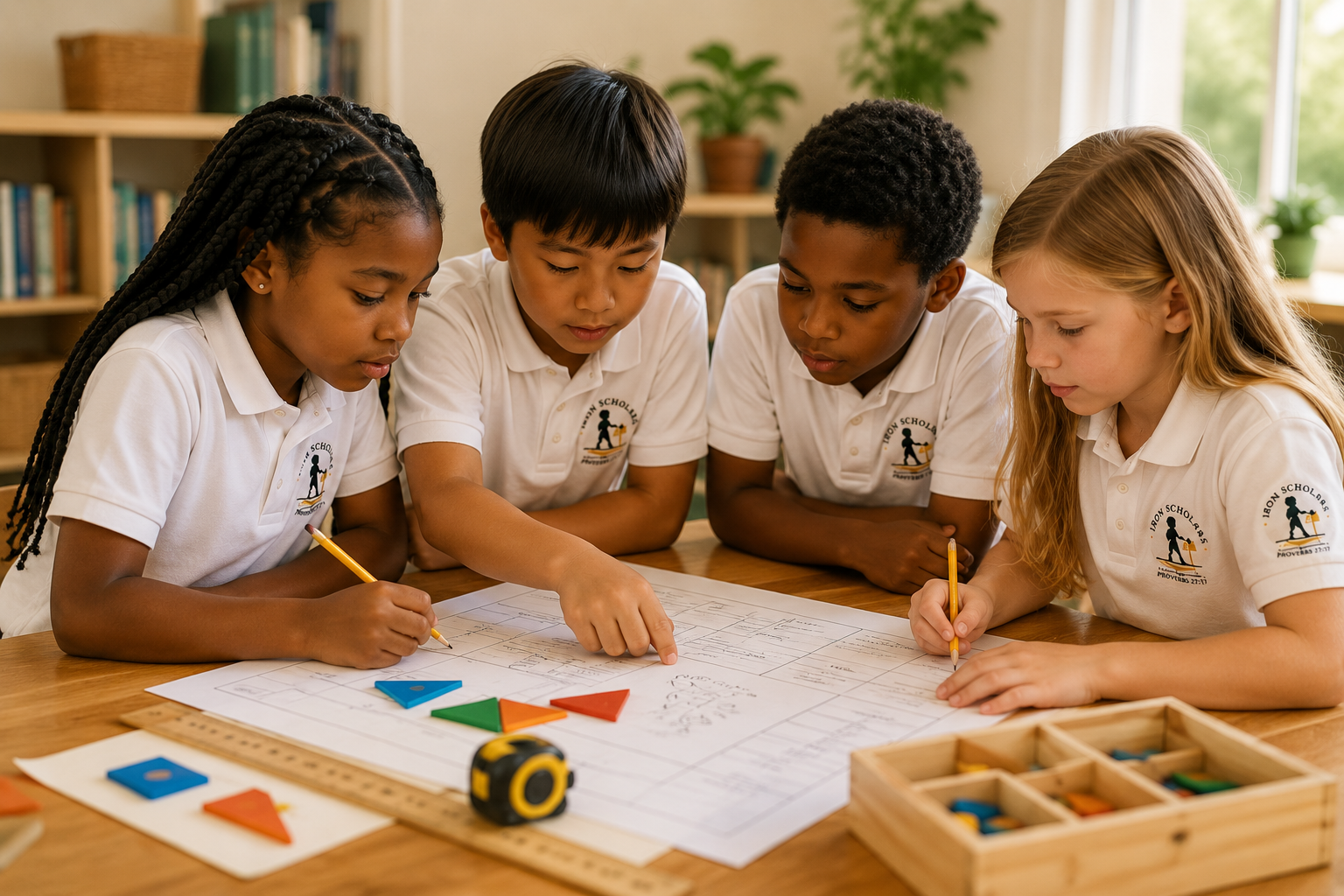
Scholars learn why mathematics works, then practice until foundational facts and procedures become automatic — and then use them.
Understand it. Practice it. Master it. Apply it.
- Direct mini-lessons
- Manipulatives and visual models
- Automaticity of foundational math facts
- Multiple valid strategies
- Flexible skill grouping
- Real-world application
- Productive struggle, well supported
Project-Based Learning
Real questions, real problems, real audiences
Projects begin with a genuine question, problem, need, or opportunity — and they integrate across subjects the way real work does.
- Literacy, math, science, and history
- Art, technology, and design
- Entrepreneurship and financial literacy
- Leadership and biblical worldview
Failure is information.
Scholars learn to reflect, receive feedback, revise, and try again — the habits that produce genuinely capable people.
Real-World Learning
Learning that leaves the table
Knowledge becomes durable when scholars use it somewhere that matters.
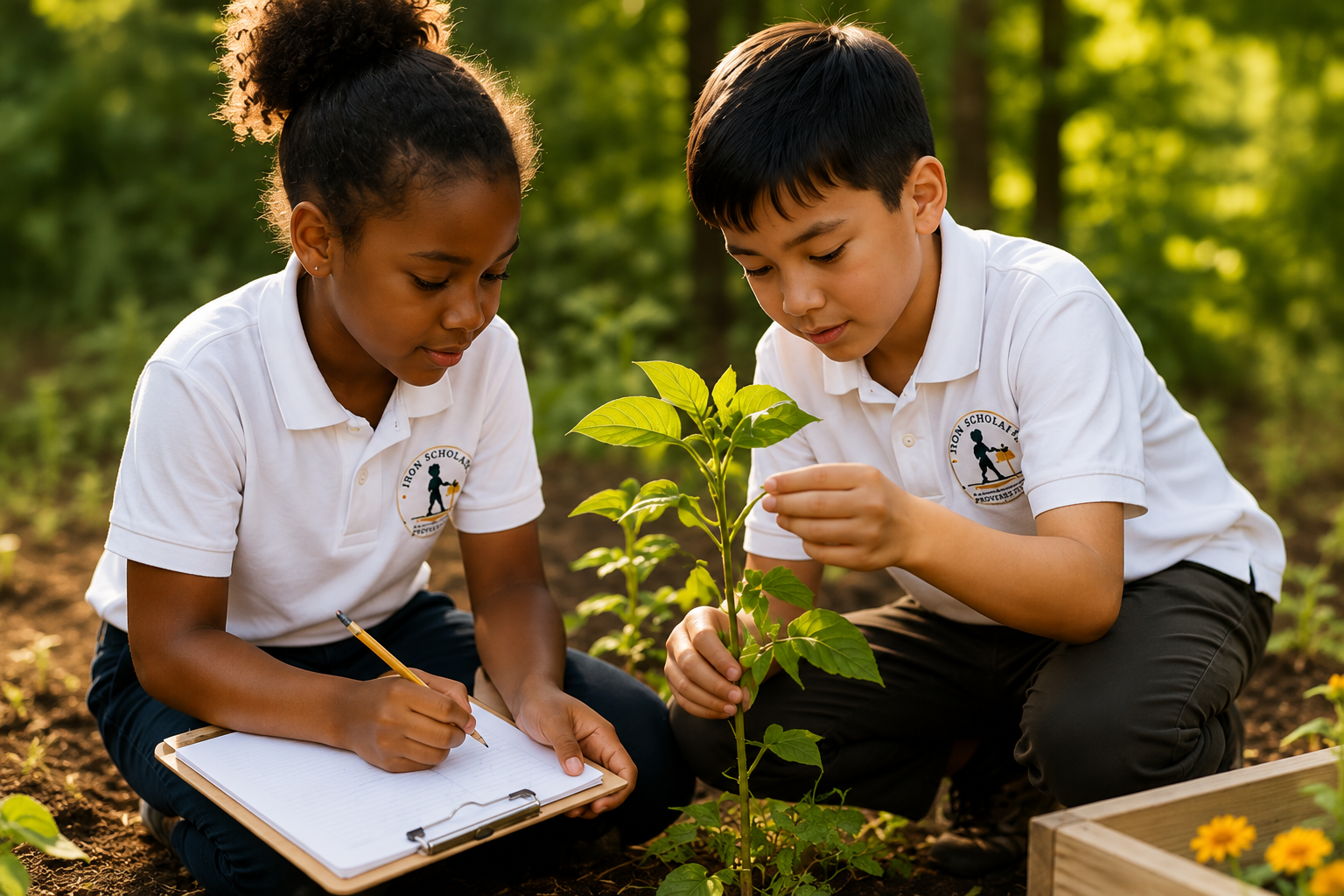
- Field experiences and outdoor learning
- Guest professionals and mentors
- Service projects in the community
- Entrepreneurship ventures
- Practical-life experiences
- Hands-on exploration and experimentation
Leadership & Life Skills
Highly functional young people, not merely strong test-takers
We teach the skills that determine how a person moves through the world — deliberately, and with practice.
Communication
- Introductions and eye contact
- Confident handshakes
- Meaningful conversation
- Asking thoughtful questions
- Self-advocacy
Organization & Leadership
- Punctuality and preparation
- Agenda and calendar use
- Deadline management
- Leading and following well
- Teamwork and problem solving
Practical Skills
- Cooking and cleaning
- First aid basics
- Gardening and tools
- Technology and navigation
- Money management
Entrepreneurship & Financial Literacy
A vehicle for character, not just commerce
Building something real teaches problem solving, planning, resilience, creativity, service, communication, work ethic, and financial understanding all at once.
Create value. Meet needs. Steward well.
Financial literacy may include
- Earning, saving, spending, and giving
- Tithing and generosity
- Budgeting, profit, and expenses
- Taxes and record keeping
- Investing, debt, and stewardship